
Provider Spotlight: Dania DeGrace, MD
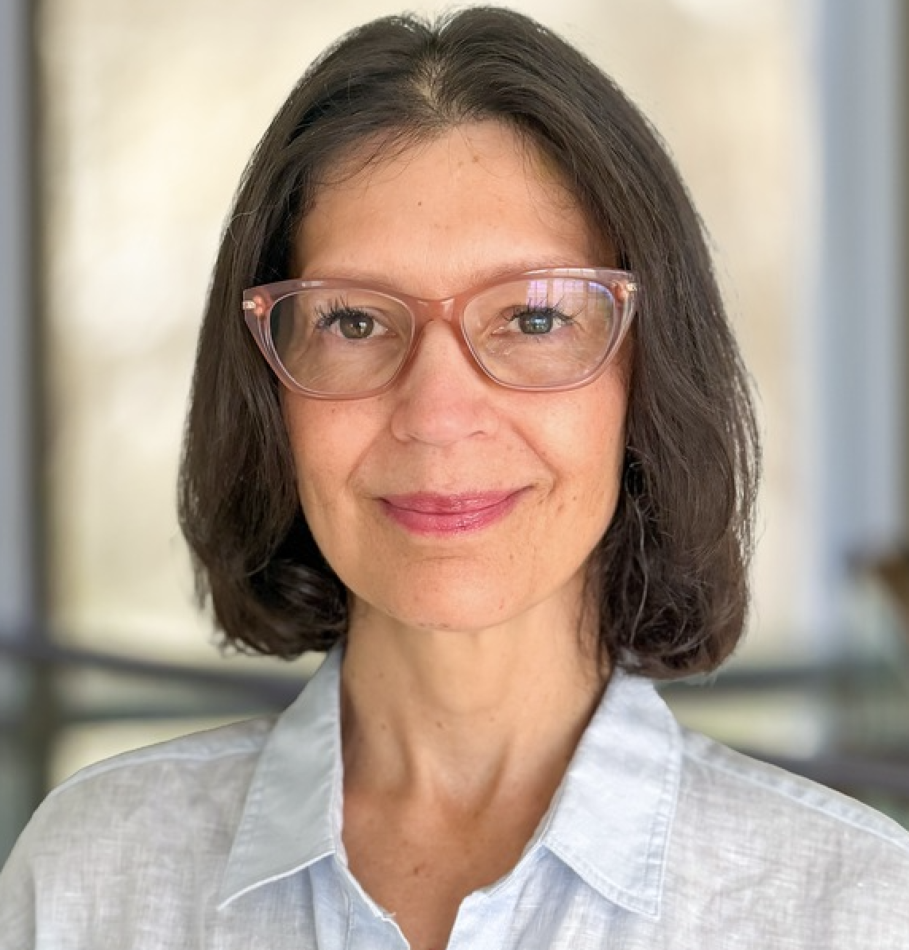
Regaining Independence Independence with Dr. Dania DeGrace
Orthopedic Hand Surgeon at BMC Brighton
Dania DeGrace, MD is a fellowship-trained orthopedic hand surgeon at Boston Medical Center – Brighton who cares for patients with conditions affecting the hand and wrist, as well as select disorders of the elbow. She offers both nonsurgical and surgical treatment, partnering with each patient on an individualized plan that reflects their goals.
For Dr. DeGrace, caring for patients with hand and upper extremity conditions is about far more than treating bones, joints, tendons, and nerves. It is about restoring independence—helping people return to meaningful work, pursue their passions, and take part in the everyday activities that bring joy and purpose to their lives.
What inspired you to specialize in orthopedics?
My undergraduate training was actually in environmental science. I was drawn to thinking about the environment as a complex system, where the whole is greater than the sum of its parts. That same way of thinking carried over into medicine. I enjoy understanding both the biological and mechanical aspects of how our extremities function, and that ultimately drew me to orthopedics.
During my training, I had mentors in hand surgery whom I really admired, and I was also attracted to the tremendous variety within the field. Hand surgery involves a wide range of procedures for fractures, infections, arthritis, tendon injuries, nerve problems, and other conditions. No two cases are exactly alike. To me, being a hand surgeon is largely about thoughtful decision-making—not only what to do, but how best to do it for each patient.
How would you describe your approach to patient care?
When I see patients, I spend a lot of time talking through the problem and making sure they understand their condition and treatment options. The most important part is understanding the patient’s goals and tailoring treatment accordingly. Different patients may have very different functional needs, priorities, and expectations.
Over the course of my career, I have become increasingly aware that a good outcome means different things to different people. You have to understand how the problem affects that individual patient’s life. Listening closely to those goals has made me more thoughtful about treatment decisions and more open to options I might not have considered earlier in my career.
Are there any patient experiences that have stayed with you throughout your career?
There have been many cases that have stayed with me—cases where I learned something important, encountered an unusual presentation, or saw an unexpected outcome. Over time, those experiences help guide future decisions and make me better at counseling patients about what to expect.
One example involved a patient with a small cyst related to arthritis in a finger. I explained that if it ruptured, it could lead to an infection requiring surgery. Later, when the patient developed signs of infection, they recognized what was happening and came in right away. It was a success story because the patient was prepared and knew what to do. We all hate surprises! The more prepared we both are, the better we can respond.
What do you wish more patients knew about hand and wrist conditions?
One of the most common conditions we see as hand surgeons is carpal tunnel syndrome. Many people assume numbness and tingling in their hands is normal, related to their neck, or the result of an old injury, when it may actually be caused by a very treatable problem.
I wish more people knew that persistent numbness or tingling in the hands should not simply be ignored. Unless there is already a known explanation, it is worth having evaluated. Identifying the cause early can sometimes make treatment much simpler.