
Boston Medical Center – Brighton
Orthopedics

Blue Distinction Center
Boston Medical Center – Brighton’s Orthopedics program has been recognized by Blue Cross Blue Shield of Massachusetts as a Blue Distinction Center for Knee Hip Replacement Surgery for delivering quality orthopedic care safely and effectively.
Collaborative Orthopedic Care to Keep You Moving
Our team of orthopedic surgeons, rheumatologists, physician assistants, nurses, athletic trainers, and physical therapists works together to create personalized treatment plans that support each patient’s recovery and long-term mobility. From diagnosis through rehabilitation, we’re committed to helping you return to the activities you love. We are proud to be recognized by Boston Magazine, with members of our team named Top Doctors and our Orthopedic Surgery department named one of Greater Boston’s Top Hospitals for Orthopedic Surgery and knee replacement.
New Sports Medicine Location Now Open
We’re excited to announce that the BMC Health Sports Medicine Center is now open in Wellesley. Our expert sports medicine specialists offer cutting-edge care for sports-related injuries and musculoskeletal conditions, with evaluations and treatment plans tailored to your individual needs.
Our Team
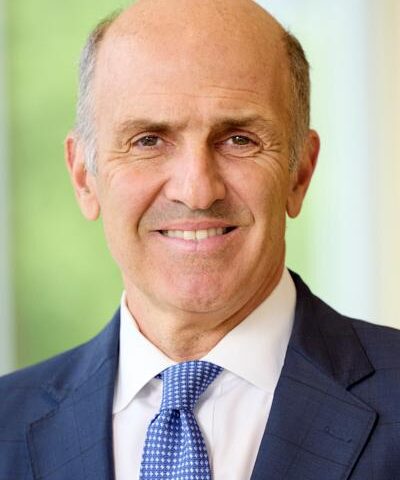
Thomas J. Gill IV, MD
Chairman, Orthopedic Surgery; Chief, Sports Medicine
Primary Location
Brighton, MA 02135
Contact
See Full Bio
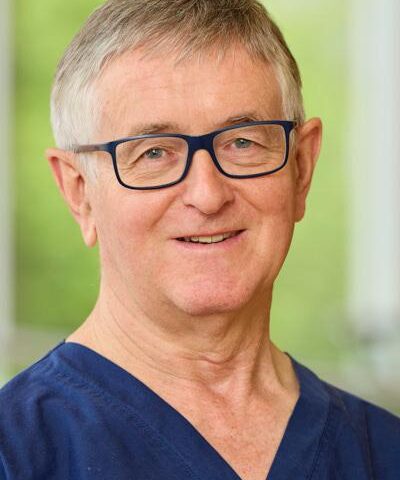
R. Malcolm Smith, MD
Chief, Orthopedic Trauma Service
Primary Location
Brighton, MA 02135
Contact
See Full Bio
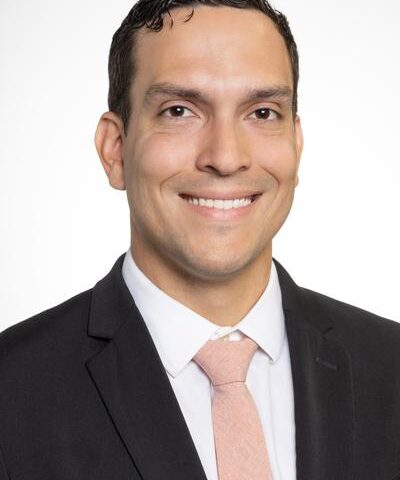
Brian M. Cervoni Rosario, MD, FAAPMR, CAQSM
Sports Medicine Physiatrist
Primary Location
9th Floor
Brighton, MA 02135
Contact
See Full Bio

Dania DeGrace, MD
Orthopedic Hand Surgeon
Primary Location
Brighton, MA 02135
Gender
Female
Contact
See Full Bio

Eagen Gene Deune, MD, MBA
Orthopedic Hand Surgeon
Primary Location
4th Floor, Suite 4B
Boston, MA 02118
Contact
See Full Bio

Amna Diwan, MD
Orthopedic Trauma Surgeon
Primary Location
Brighton, MA 02135
Contact
See Full Bio

Diane M. English, MD
Orthopedic Surgeon
Primary Location
Brighton, MA 02135
Contact
See Full Bio
Marilyn Heng, MD, MPH
Orthopedic Trauma Surgeon
Primary Location
Brighton, MA 02135
Contact
See Full Bio
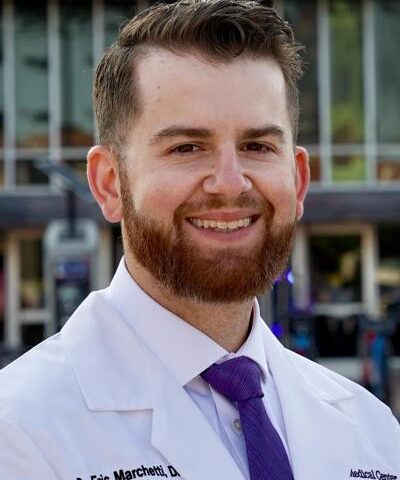
Eric Marchetti, DPM, AACFAS
Foot and Ankle Surgeon
Primary Location
Contact
See Full Bio
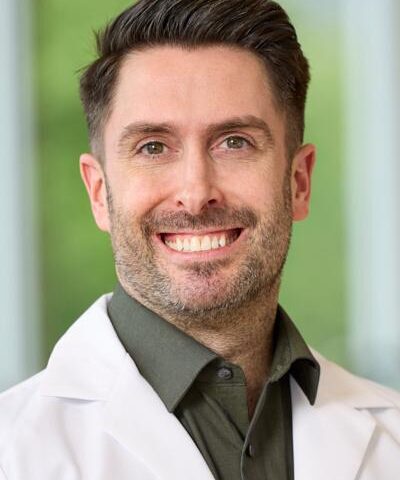
David A. Sipala, DPM, FACFAS
Foot and Ankle Surgeon; Program Director, Podiatry Residency
Primary Location
Brighton, MA 02135
Contact
See Full Bio
Joseph R. Young, MD
Orthopedic Joint Surgeon
Primary Location
9th Floor
Brighton, MA 02135
Contact
See Full Bio
Programs
Our programs provide patients with expert, comprehensive subspecialty care.
Patient Information
We treat all orthopedic conditions, including:
- ACL injuries
- Arthritis of the hip and knee
- Foot and ankle injuries
- Fracture cares
- General orthopedic trauma
- Hand injuries
- Meniscus tears
- Rotator cuff tears
- Shoulder injuries
- Sports injuries
- Women’s orthopedic health
We offer many cutting-edge surgical procedures and techniques, including:
-
- ACL surgery
- ACL reconstruction
- Arthroplasty (hip and knee replacement)
- Arthroscopic surgery (knee, shoulder)
- Bunion surgery
- Cartilage surgery
- Cartilage transplantation
- Fracture surgery (all types)
- Hip replacement (Anterior Approach)
- Knee arthroscopy
- Mako™ robotic-arm–assisted hip and knee replacement
- Meniscus surgery
- Multiligament knee reconstruction
- Patellar realignment/instability surgery
- Patellar tendon and Quadriceps tendon surgery
- Podiatric surgery
- Revision hip and knee arthroplasty
- Rotator cuff surgery and repair
- Shoulder arthroscopy
- Shoulder labral repair
BMC Brighton orthopedic surgeons work with a team of dedicated clinical staff and assistants to ensure safe, high-quality, expert care throughout the surgery process.
Scheduling Follow-up and Physical Therapy (PT)
- In the days before your surgery, make sure to schedule a postoperative follow-up and suture removal appointment for 10 to 14 days after the surgery date.
- Schedule your initial physical therapy evaluation for approximately 5 days after your surgery.
Medications
- You should stop taking pain medications such as Motrin, Aleve, and Advil at least 7 days before your surgery. Ask your primary care provider if you have any questions about over-the-counter medications.
- Please consult with your primary care provider regarding prescription medications.
Immediately before Your Surgery
- Plan for a family member or friend to drive you to and from the medical center on your date of surgery.
- The night before the surgery, clean the surgery site thoroughly with soap or Hibiclens solution.
- The night before the surgery, do not eat or drink anything after midnight.
On the Morning of Surgery
- Do not eat or drink anything.
- Bring your photo ID, insurance card, and MRI (if applicable) with you to the surgery.
- If you have been given a brace, sling, or other Durable Medical Equipment from our office before to your surgery date, please bring it with you to your surgery.
The Evening after Your Surgery
- Plan on having a friend or family member drive you home from the medical center.
- Make sure you have the afternoon and evening free of work and social obligations.
- Pain medication injected into the site of surgery will wear off roughly 12 hours following the surgery.
- Most patients will require pain medication beginning the evening after the surgery. Plan on getting your pain prescription filled to have with you when you arrive home.
- Ice the site of surgery to help decrease swelling and discomfort.
Medication Management
- Patients may take 1 to 2 tablets of their pain medication every 4 to 6 hours as needed for pain, with a maximum of 12 pills per day.
- Begin to wean yourself off of the pain medication as soon as possible.
- Do not drive or operate any machinery while taking pain medications.
- If you are taking Vicodin or Percocet, do not take any additional Tylenol or other acetaminophen-containing products.
- Patients may experience side effects from their pain medication, including nausea, drowsiness and constipation.
- Patients may be prescribed Colace to help with constipation and Vistaril to help with nausea.
- Patients with lower extremity surgery should take one aspirin per day for 14 days following the surgery to help reduce the risk of blood clots, unless you were otherwise instructed by your surgeon.
Wound Care and Swelling
- Some bleeding and swelling during this time is often normal.
- To help decrease swelling and inflammation, begin icing immediately after surgery and get new ice every two hours.
- To protect the incision site, keep your postoperative bandages on for 24 hours following your surgery. Apply additional dressings to the incision site if needed after 24 hours.
- If bandages become too tight due to swelling, simply loosen the bandage to decrease discomfort.
- Steri-Strips should be kept on the incision site until your first post-op appointment.
- Patients with lower extremity surgery should elevate the leg to chest height to help reduce swelling.
- Patients with lower extremity surgery should wear TEDS stockings (compression stockings) on both legs until their first postoperative visit.
Wound Cleanliness
- In order to decrease the risk of infection, keep the incision site clean and dry.
- Patients may shower after 48 hours. Patients may remove their brace in the shower. Let the water flow over the incision, and apply a clean and dry bandage afterwards.
- Incision sites should not be immersed in water (including bath, swimming pool, or lake) until after you are cleared at your first post-op visit.
Physical Activity Guidance
- Refer to your surgery protocol to determine your weight-bearing status.
- Regarding activity, follow your surgeon’s instructions pertaining to your specific surgical procedure.
- Do not participate in any activities or movements that increase pain or discomfort until you review them with your doctor at your first post-op visit.
Locations

BMC Brighton, Main Hospital
Boston Medical Center - Brighton Orthopedics
Building C Floor 9
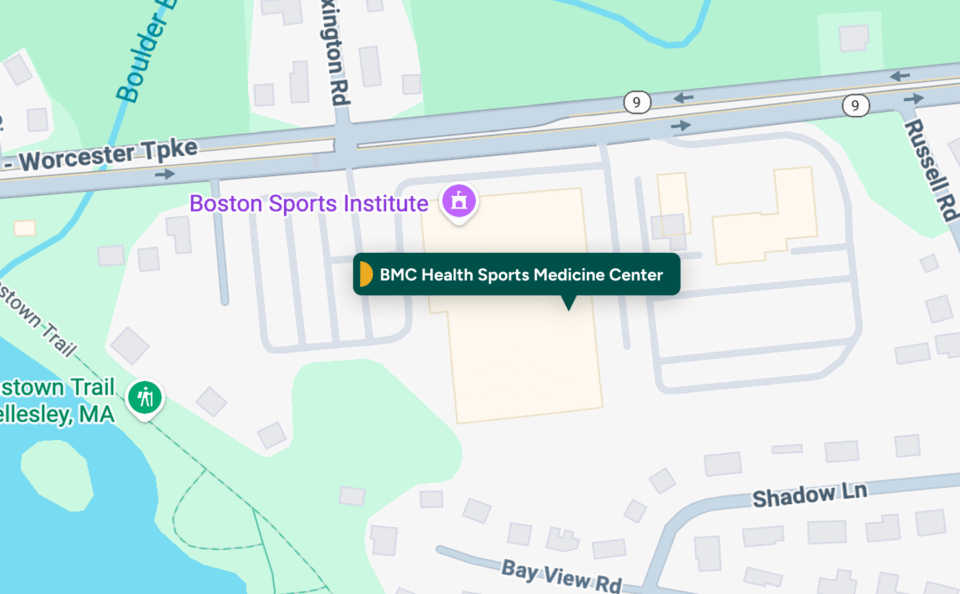
Wellesley
BMC Health Sports Medicine Center
Boston Sports Institute, Floor 2