
Boston Medical Center – Brighton
Dermatology
Overview
The Department of Dermatology provides a wide range of general dermatology care for our patients, with connections to more specialized care as needed. Our commitment to continued research and use of state-of-the-art technology enables us to develop more effective, less invasive techniques for treatments, so you can get the best outcomes while minimizing side effects.
Our Team
Our Team
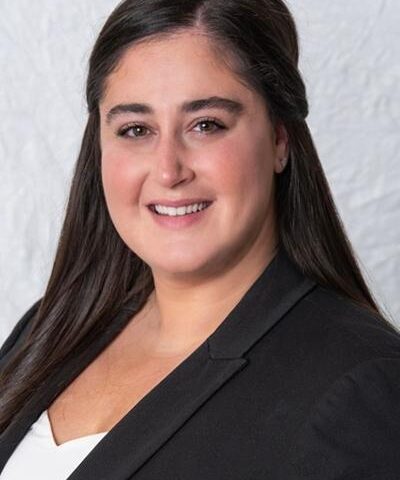
Allison M. Perz, MD
Dermatologist
Primary Location
Suite 8B
Boston, MA 02118
Gender
Female
Contact
See Full Bio

Daisy Yan, MD
Dermatologist
Patient Information
We offer diagnosis and treatment for conditions including:
- Acne
- Acne scars
- Alopecia
- Broken blood vessels
- Dandruff
- Dry skin
- Eczema
- Hair loss
- Hives
- Leg veins
- Nail fungus
- Psoriasis
- Rashes
- Rosacea
- Skin discoloration
- Skin infections
- Warts
We offer treatments and services including:
- General dermatology
- Rosacea treatments
- Skin biopsy
Answers to Some of Your Top Questions about Dermatology
You may have questions or concerns about your health. This list of common questions can help guide you. The answers give general information, but everyone’s situation is different. For advice about your own health, make an appointment with your provider.
What types of conditions do dermatologists treat?
Dermatologists treat a wide range of conditions affecting the skin, hair, and nails. This includes rashes, acne, eczema, psoriasis, skin infections, hair loss, and certain autoimmune disorders that affect the skin.
They also treat many types of skin cancer, ranging from basal cell carcinoma to melanoma, as well as other chronic or complex skin concerns.
When should I see a dermatologist for acne?
If over-the-counter treatments are not helping after several weeks, or if you have deep, painful breakouts or scarring, it’s a good time to see a dermatologist. Acne treatment can vary depending on whether breakouts are widespread or isolated to one area, so a dermatologist can help determine the most effective approach.
Prescription treatments can help manage acne more effectively and reduce the risk of long-term skin damage.
What treatments are available for eczema, psoriasis, and other chronic skin conditions?
Treatment depends on the condition and its severity, but may include topical medications, oral medications, light therapy, or biologic therapies. Dermatologists tailor treatment plans to help control symptoms, reduce flare-ups, and improve long-term skin health.
Can a dermatologist help with hair loss or scalp conditions?
Yes, dermatologists diagnose and treat a wide range of hair and scalp conditions, including hair thinning, sudden hair loss, dandruff, and scalp irritation. Identifying the underlying cause is key, and treatment may include medications, topical therapies, or lifestyle adjustments.
How can I tell if a mole or spot might be skin cancer?
A helpful way to evaluate a mole is the ABCDE Rule:
- A stands for asymmetry
- B for border
- C for color
- D for diameter, and
- E for evolving.
This means looking for spots that are uneven in shape, have irregular borders, vary in color, are larger than a pencil eraser, or are changing over time.
These signs can help you catch skin cancer early by performing a monthly self-exam. If a spot looks different from others or is changing, itching, or bleeding, it should be checked by a dermatologist.
What should I do if I have a new or unusual rash?
If you notice a new or unusual rash, keep the area clean and avoid new products that could be causing irritation. Consider how long the rash has been there, whether it is spreading, how much of the body it covers, its size, and its texture, such as whether it is raised, rough, scaly, blistering, or warm to the touch.
Mild rashes may improve with over-the-counter treatments, but if the rash is spreading, painful, doesn’t go away, covers a large area of the body, or is not improving, it’s best to have a dermatologist determine the cause and next steps.
When should I see a dermatologist instead of treating a skin condition at home?
You should see a dermatologist if a condition is not improving after a few weeks of home treatment, continues to return, or is getting worse. Skin issues that are painful, rapidly changing, or affecting your daily life are also best evaluated by a specialist.
How soon should I be seen for a concerning skin issue?
If you notice a rapidly changing mole, a painful or spreading rash, signs of infection, or any skin issue that is getting worse quickly, you should be seen as soon as possible.
For less urgent concerns, scheduling an appointment within a few weeks is typically okay.
When in doubt, it’s always reasonable to have it evaluated.
How often should I get a skin cancer screening?
How often you should get a skin cancer screening depends on your personal risk, including your skin type, sun exposure, history of sunburns or tanning bed use, number or appearance of moles, and personal or family history of skin cancer. People at average risk should ask their provider how often to be screened, while those at higher risk may need yearly or more frequent exams.
Between visits, check your skin monthly and look for new or changing spots, sores that do not heal, or the ABCDE signs of melanoma: asymmetry, irregular borders, uneven color, larger diameter, or evolving size, shape, color, or symptoms.
If you notice anything unusual, different from your other moles, itchy, tender, or bleeding, schedule an appointment with a dermatologist.
Do I need a referral to see a dermatologist?
Whether you need a referral to see a dermatologist depends on your insurance plan. Many patients do need a referral, but requirements can vary. We recommend calling the phone number on the back of your insurance card to confirm your plan’s requirements.
Is Boston Medical Center Health System currently accepting new dermatology patients?
Yes, Boston Medical Center and BMC Brighton are currently accepting new dermatology patients. Appointment availability may vary, so we recommend contacting our office or requesting an appointment online to find the earliest available time that works for you.
Location and Contact
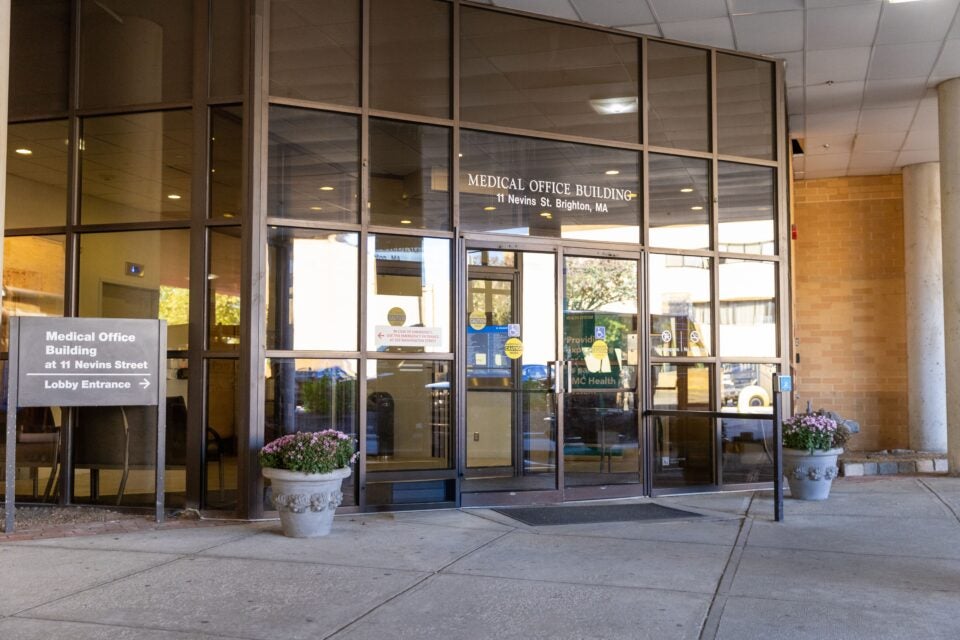
BMC Brighton (Medical Office Building)
Suite 406