
Boston Medical Center – Brighton
Cardiovascular Medicine
U.S. News & World Report
Boston Medical Center – Brighton’s Cardiovascular Medicine Program has been recognized by U.S. News & World Report 2026–2027 Best Hospitals for its high-performing procedures in heart arrhythmia treatment, heart attack care, and pacemaker implantation, offering advanced care for even the most complex cardiac conditions.
Nationally-Recognized Heart Specialists
Our Cardiovascular Medicine Department connects you with some of Boston’s top cardiologists, interventional cardiologists, electrophysiologists, and cardiac surgeons. We also offer advanced treatments for the most complex cardiac conditions from our skilled doctors, nurses, and technicians.
Our Team
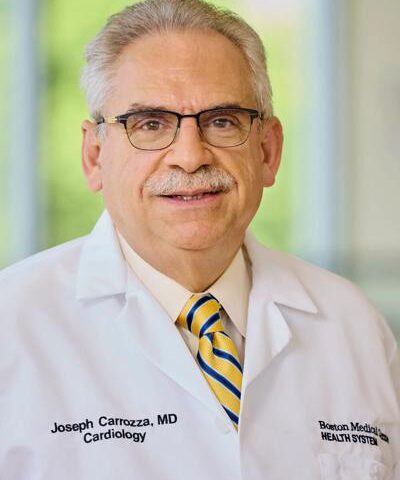
Joseph Carrozza, MD
Chief of Cardiovascular Medicine
Primary Location
Brighton, MA 02135
Contact
See Full Bio
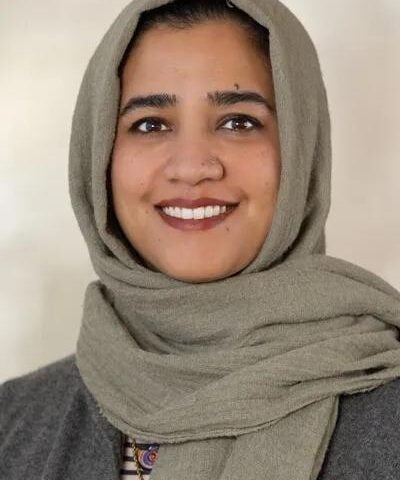
Khansa Ahmad, MD
Cardiologist
Primary Location
Brighton, MA 02135
Gender
Female
Contact
See Full Bio
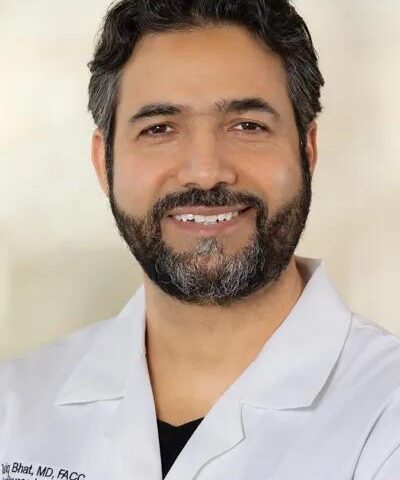
Tariq M. Bhat, MD, FACC, FSCAI
Interventional Cardiologist; Director, Division of Vascular and Endovascular Medicine, Structural Heart Disease Program, and Interventional Cardiology Fellowship Program, BMC Brighton
Primary Location
4th Floor
Brighton, MA 02135
Contact
See Full Bio

Waqar Cheema, MD
Cardiologist
Primary Location
Suite 290
Norwood, MA 02062
Gender
Male
Contact
See Full Bio
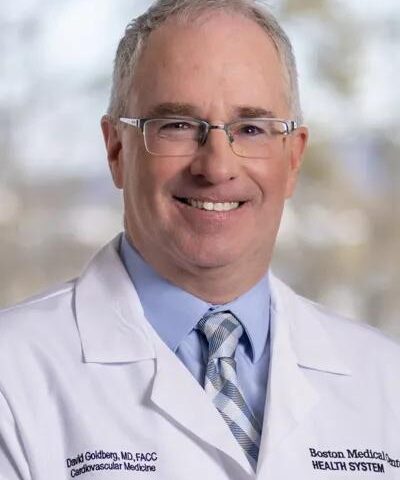
David J. Goldberg, MD, FACC
Cardiologist
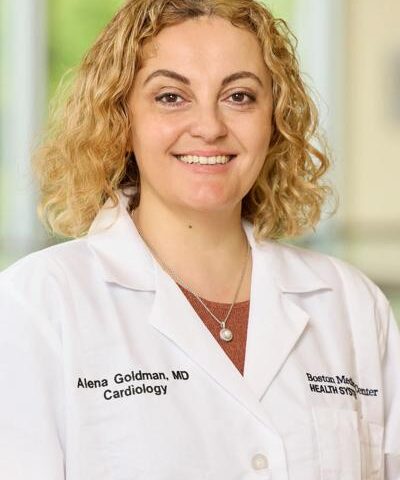
Alena Goldman, MD
Clinical Cardiac Electrophysiologist
Primary Location
Brighton, MA 02135
Contact
See Full Bio
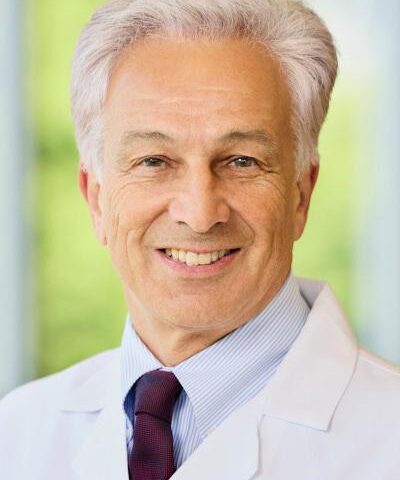
Michael Johnstone, MD
Cardiologist, Associate Director, Noninvasive Lab
Primary Location
Brighton, MA 02135
See Full Bio
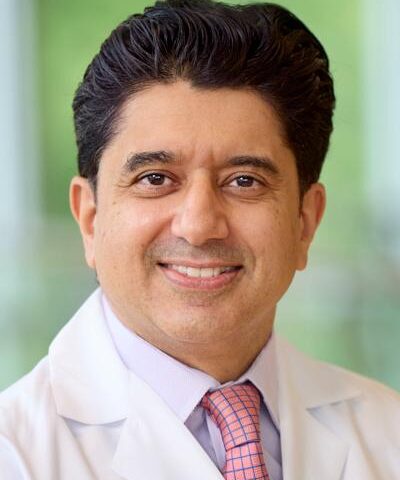
Faisal Khan, MD
Cardiologist, Director of Cardiac Catheterization Laboratory
Primary Location
Brighton, MA 02135
See Full Bio
John Kinch, MD
Cardiologist
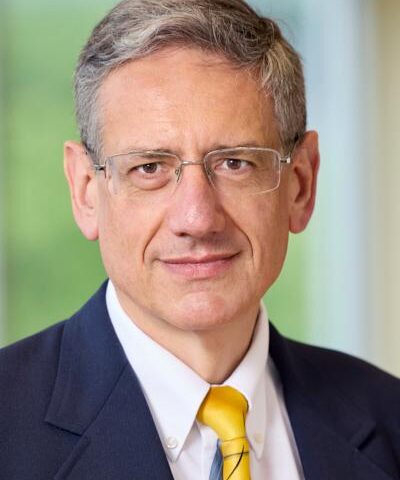
Michael Maysky, MD
Cardiologist
Primary Location
Brighton, MA 02135
Contact
See Full Bio
James Morgan, MD
Cardiologist
Primary Location
Brighton, MA 02135
Contact
See Full Bio
Shaw Natan, MD
Clinical Cardiac Electrophysiologist
Primary Location
Brighton, MA 02135
Contact
See Full Bio
Nancy Nicholson, NP
Nurse Practitioner
Primary Location
Brighton, MA 02135
Contact
See Full Bio
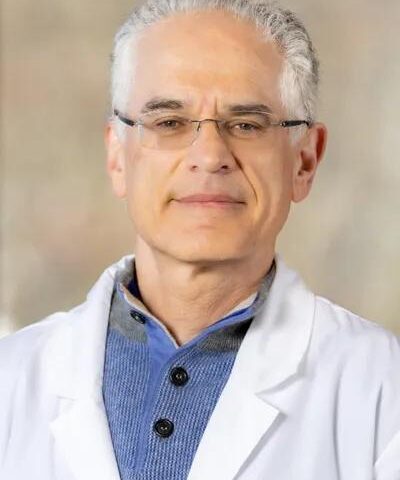
Michael Orlov, MD
Director of Cardiac Arrhythmia Service; Fellowship Program Director, Clinical Cardiac Electrophysiology
Primary Location
Brighton, MA 02135
Contact
See Full Bio
Donald Parlin, PA
Physician's Assistant
Primary Location
Brighton, MA 02135
Contact
See Full Bio
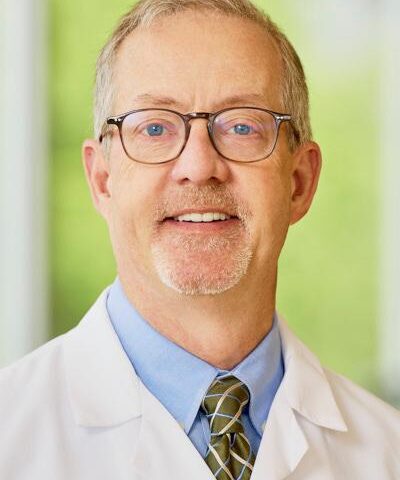
Richard Patten, MD
Chief, Advanced Heart Failure Program
Primary Location
Brighton, MA 02135
Contact
See Full Bio
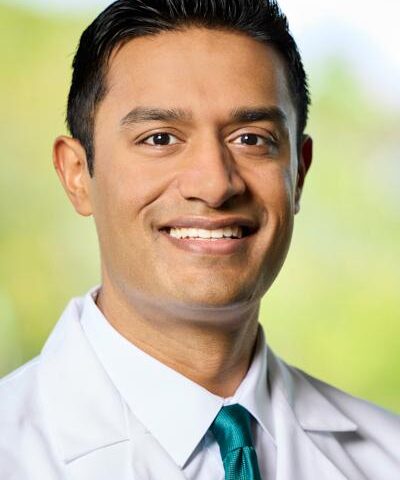
Sumon Roy, MD, FACC, FSCAI
Interventional & Structural Cardiologist
Primary Location
North Easton, MA 02356
Contact
See Full Bio
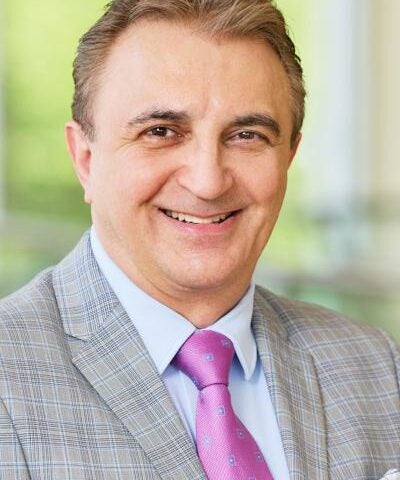
Alireza Vaziri, MD, FSVM
Vascular Medicine Physician; Director, Kosowsky Cardiovascular Rehabilitation Center at BMC Brighton; Director, Noninvasive Vascular Medicine/Noninvasive Vascular Laboratory and Vascular Medicine Fellowship Program, BMC Brighton
Primary Location
4th Floor
Brighton, MA 02135
Contact
See Full Bio
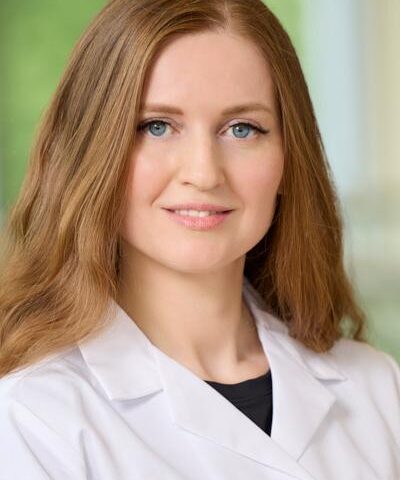
Iryna Zhukouskaya, NP
Cardiac Amyloidosis Program Coordinator
Primary Location
Brighton, MA 02135
Contact
See Full Bio
Programs
Our programs provide patients with expert, comprehensive subspecialty care.
Patient Information
We treat all cardiac and vascular conditions, such as:
- Angina
- Aortic valve disease
- Arteriosclerosis/atherosclerosis
- Atrial arrhythmias, including:
- Atrial fibrillation
- Atrial flutter
- Bypass tracts
- Supraventricular tachycardia
- Atrial septal defects
- Cardiomyopathies
- Cardiogenic shock
- Coronary artery disease
- Heart attack
- Heart failure with preserved ejection fraction (HFpEF)
- Heart failure with reduced ejection fraction (HFrEF)
- Hyperlipidemias
- Hypertensive disorders
- Mitral valve disease
- Patent foramen ovale
- Peripheral vascular disease
- Pulmonary embolism
- Pulmonary hypertension
- Stroke
- Venous disease
- Ventricular arrhythmia (ventricular fibrillation and ventricular tachycardia)
Our Cardiovascular Medicine team works closely with Vascular and Endovascular Medicine and Surgery and with Cardiac Surgery to ensure our patients get comprehensive cardiovascular care tailored to their needs.
Vascular Medicine and Intervention
We offer state-of-the-art medical and interventional treatments for our patients with peripheral vascular disease. As the only NIH-recognized Level 1 team for treating carotid artery disease with carotid revascularization, we also serve as a referral center for complex cases across the region.
Vascular and Endovascular Surgery
From routine care to advanced surgery and clinical trials of cutting-edge treatments, our team offers comprehensive evaluation and management for vascular and endovascular conditions.
Cardiac Surgery
The Center for Advanced Cardiac Surgery offers some of the most advanced procedures available today, from complex open-heart operations to minimally invasive techniques. For each surgery, our specially trained cardiac surgery team works together to provide comprehensive care before, during, and after surgery.
Answers to Some of Your Top Questions About Cardiovascular Medicine at BMC Brighton
You may have questions or concerns about your health. This list of common questions can help guide you. The answers give general information, but everyone’s situation is different. For advice about your own health, make an appointment with your provider.
What’s causing my chest pain and palpitations?
Chest pain and palpitations can happen for several reasons. These include coronary artery disease, arrhythmias, heart failure, or high blood pressure. Sometimes, these symptoms are related to non-heart causes such as anxiety or acid reflux.
To better understand why you might be having chest pains or palpitations, your care team may recommend non-invasive testing such as an EKG, echocardiography, CT coronary angiography or stress testing. They might also monitor your heart rhythm with a Holter or event monitor to check for rhythm changes. These tests help your doctor figure out if your symptoms are related to your heart or something else.
Do I really need a stent or angioplasty?
Your doctor may recommend a stent or angioplasty when a cardiac catheterization shows a significant blockage in the arteries that supply blood to your heart. Many people can manage their symptoms with medication, healthy lifestyle habits, and by maintaining normal cholesterol and blood pressure levels. You’ll usually only need a stent if you still have symptoms after being treated or if testing shows you have a high risk of a heart attack.
How can I avoid a heart attack or stroke?
The best way to prevent a heart attack or stroke is by managing your risk factors. This means controlling high blood pressure, cholesterol, and diabetes. It’s also important to stay at a healthy weight, be active, and avoid tobacco. Preventive cardiology focuses on these habits, along with regular heart checkups and monitoring. These steps can help you catch early warning signs and keep your heart and blood vessels healthy.
Is heart disease reversible with lifestyle changes?
Heart disease cannot always be completely reversed, but healthy habits can slow or even partially reverse its progression. Heart-healthy habits include:
- Lowering cholesterol
- Controlling blood pressure
- Eating a heart-healthy diet
- Staying active
- Managing stress
- Avoiding tobacco use
These actions can all help improve blood flow, strengthen your heart, and reduce your risk of future problems. In some people, they lead to measurable improvements in heart function and symptoms.
How often do people die from a heart attack?
Heart disease—including heart attacks, heart failure, and arrhythmias—is a leading cause of death in the United States. According to the Centers for Disease Control and Prevention, nearly one in three deaths each year is related to heart disease. Fortunately, survival rates have improved a lot over the past few decades. Better prevention, medicines, and treatments now help more people recover after a heart attack.
What are some long-term side effects of heart medication?
Most heart medications are safe and effective when taken as prescribed, but they can have side effects over time. Your care team will monitor you closely to make sure the benefits of treatment outweigh any risks. If needed, they’ll adjust your medicine so you can stay healthy with fewer side effects.
Locations and Contact

BMC Brighton, Main Hospital
Boston Medical Center – Brighton Cardiovascular Medicine
Building C, Floors 4 and 7 and Maternal Child Health Building, Floor 4
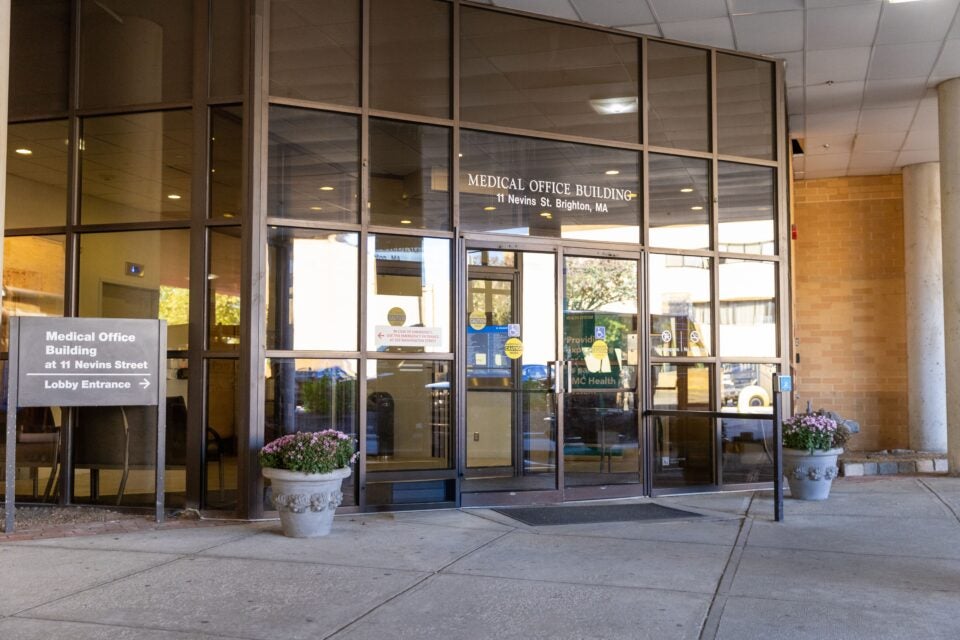
BMC Brighton (Medical Office Building)
Boston Medical Center – Brighton Cardiovascular Rehabilitation
Suite 506
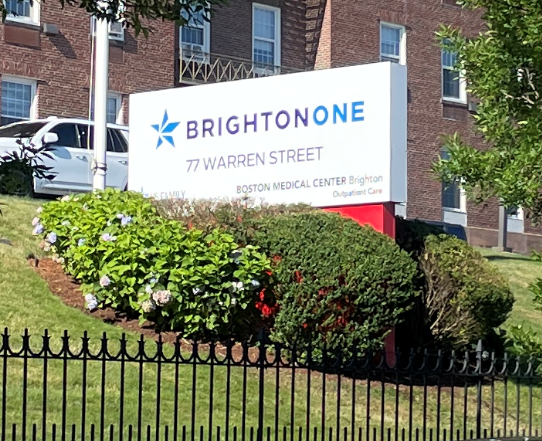
Brighton, 77 Warren
Boston Medical Center – Brighton Outpatient Multispecialty Care
Floor 2
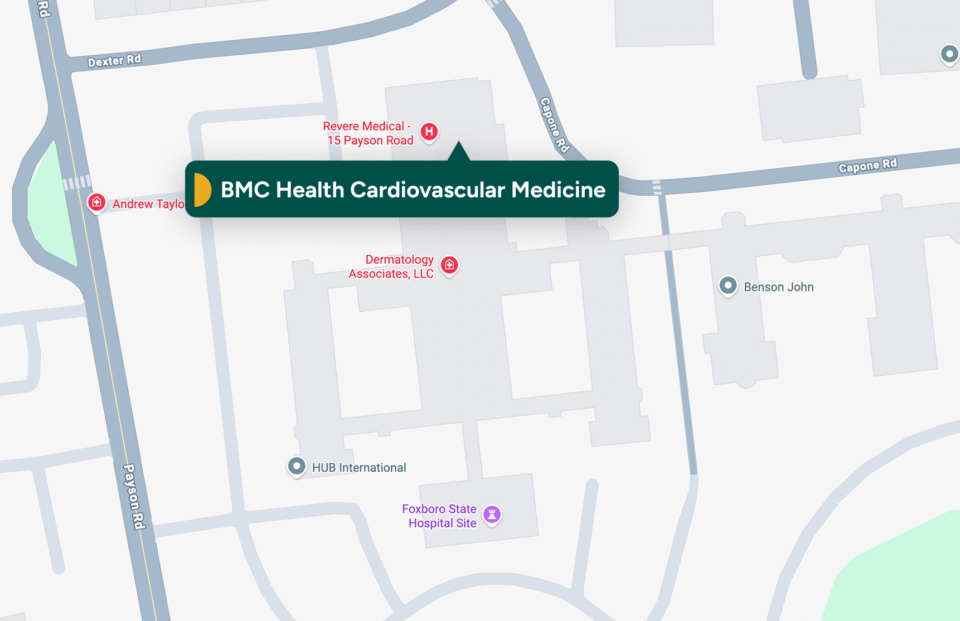
Foxboro
BMC Health Cardiovascular Medicine
Suite 1
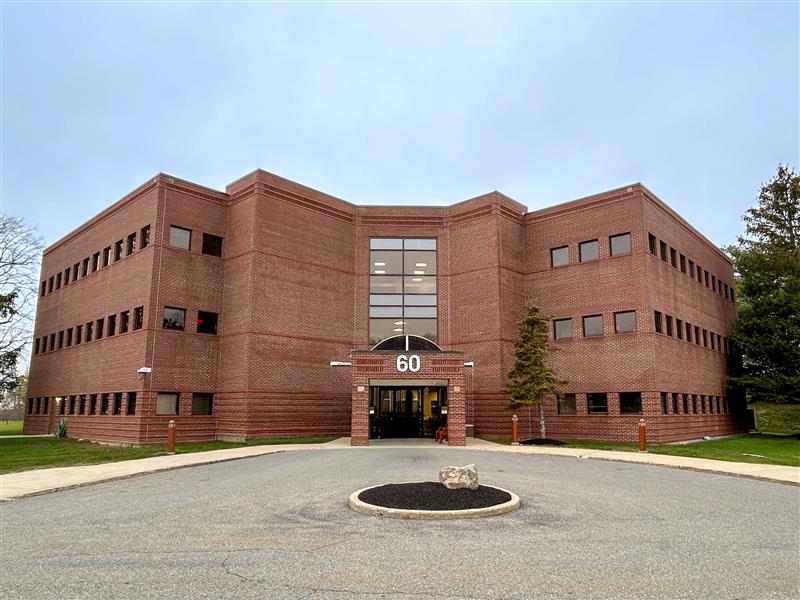
Methuen
BMC Health Multispecialty Care
Suite 1400
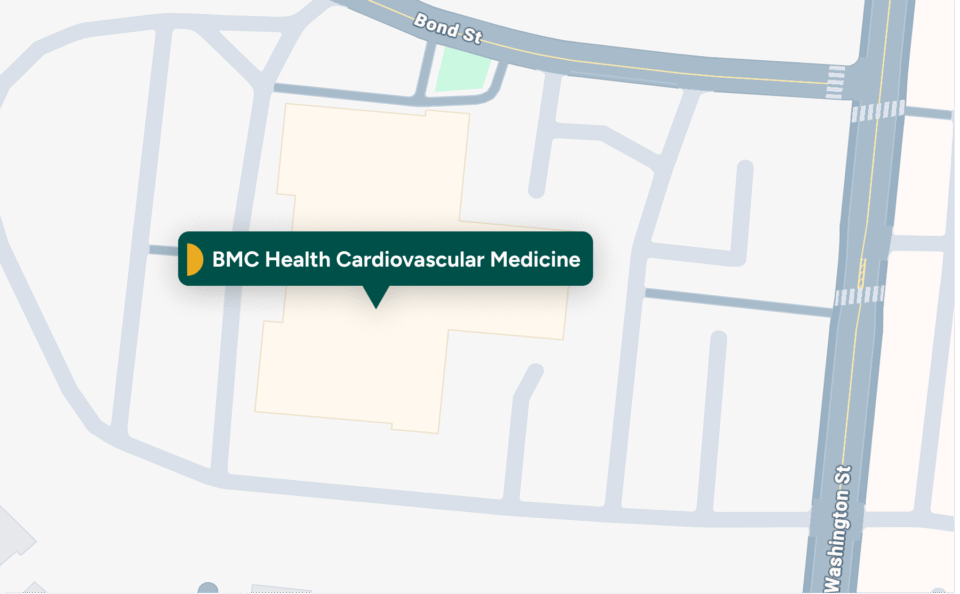
Norwood, 825 Washington
BMC Health Cardiovascular Medicine
Suite 290
Education and Training
Cardiovascular Medicine Fellowship
Our three-year fellowship in cardiovascular medicine is an integrated, multidisciplinary program that provides unique exposure to state-of-the-art, contemporary cardiovascular training.
Cardiac Electrophysiology Fellowship
Our two-year, ACGME-accredited advanced training program is designed to prepare cardiologists for independent practice in clinical cardiac electrophysiology, and includes comprehensive training in the diagnosis and management of cardiac arrhythmias: invasive electrophysiology studies, catheter ablation of simple and complex arrhythmias, implantation and management of cardiac implantable electronic devices (CIEDs), and lead extraction procedures.
Interventional Cardiology Fellowship
This one-year, AGCME-accredited program provides highly specialized, state-of-the-art training in interventional cardiology. The goal is for trainees to become competent in performing the entire spectrum of cardiovascular interventional procedures, including but not limited to: coronary artery balloon angioplasty and stenting, atherectomy, intracoronary physiology and imaging, and mechanical circulatory support.