
Boston Medical Center – South
Cardiology
Skilled Cardiology Experts Delivering Compassionate Care
Using advanced technology in our state-of-the-art Cardiac Catheterization Lab and Electrophysiology (EP) Clinic, we perform over 1,000 procedures each year for patients with heart failure, heart conditions, circulatory issues, and cardiovascular disease. Our angiography suite offers cutting-edge treatments for peripheral vascular disease, dialysis-related conditions, and other vascular illnesses. We also provide 24/7 emergency primary angioplasty to deliver immediate, lifesaving care for heart attack patients.
Our Team

Benoy J. Zachariah, MD
Cardiologist; Chief of Cardiology, BMC South
Primary Location
Suite 205W
Brockton, MA 02301
Contact
See Full Bio
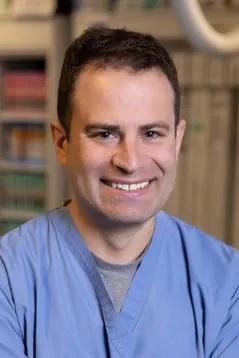
Joshua Arkin, MD
Cardiologist
Primary Location
Suite 110
North Easton, MA 02356
Contact
See Full Bio
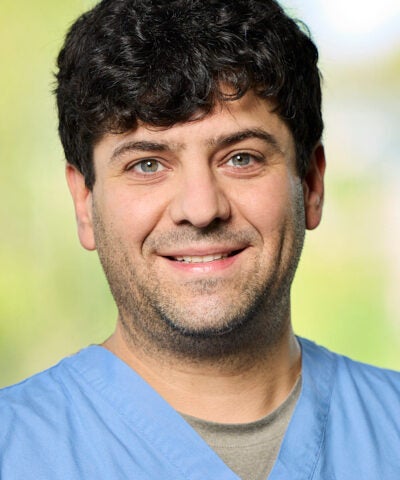
Benjamin Horn, DO
Cardiologist
Primary Location
North Easton, MA 02356
Contact
See Full Bio
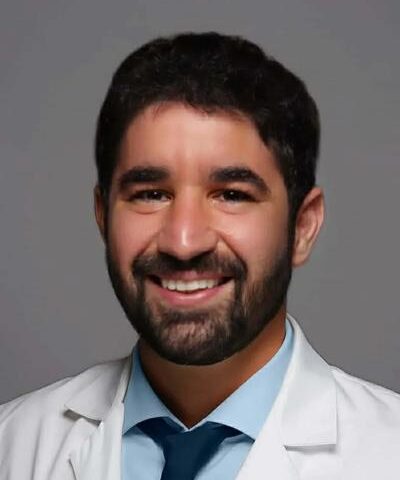
Angelos D. Karagiannis, MD
Cardiologist, Interventional Cardiologist
Primary Location
Brockton, MA 02301
Contact
See Full Bio
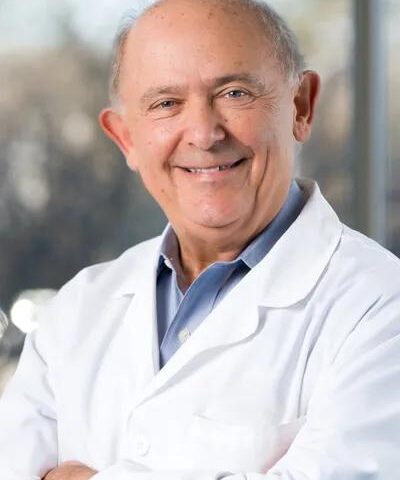
Andrew Kriegel, MD
Cardiologist
Primary Location
Brockton, MA 02301
Contact
See Full Bio
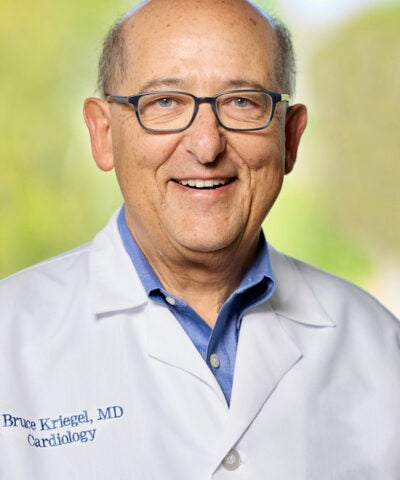
Bruce Kriegel, MD
Cardiologist
Primary Location
Brockton, MA 02301
Contact
See Full Bio

Gary Miller, MD
Cardiologist
Primary Location
Brockton, MA 02301
Contact
See Full Bio

Matthew Rosen, MD
Cardiologist
Primary Location
Suite 110
North Easton, MA 02356
Contact
See Full Bio
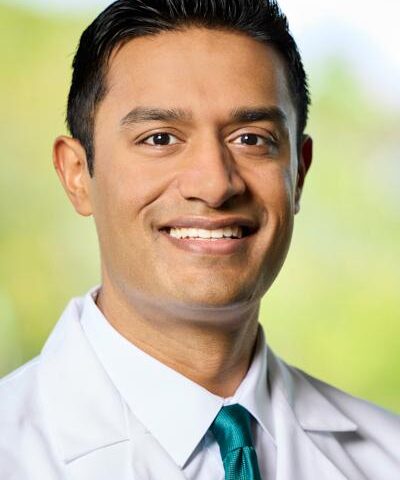
Sumon Roy, MD, FACC, FSCAI
Interventional & Structural Cardiologist
Primary Location
North Easton, MA 02356
Contact
See Full Bio
Programs
Our programs provide patients with expert, comprehensive subspecialty care.
Patient Information
Here are some of the conditions we treat:
- Coronary artery disease
- Congestive heart failure
- Arrhythmia
- Peripheral vascular disease
- Stroke
- Heart attack
We offer comprehensive diagnosis and treatment for heart conditions, including:
- Angiography suite technology
- 24/7 emergency primary angioplasty
- Catheterization
- Interventional cardiology
- Electrophysiology (EP) clinic
- Diagnostic catheterization
- Balloon angioplasty
Answers to Some of Your Top Questions about Cardiac Care at BMC South
You may have questions or concerns about your health and this list of common questions can help guide you. The answers give general information, but everyone’s situation is different. For advice about your own health, make an appointment with your provider.
What’s causing my chest pain and palpitations?
Chest pain and palpitations can happen for several reasons. These include coronary artery disease, arrhythmias, heart failure, or high blood pressure. Sometimes, these symptoms are related to non-heart causes such as anxiety or acid reflux.
To better understand why you might be having chest pains or palpitations, your care team may recommend non-invasive testing such as an EKG, echocardiogram, or stress test. They might also have you do heart monitoring with a Holter or event monitor to check for rhythm changes.
These tests help your doctor figure out if your symptoms are related to your heart or something else.
Do I really need a stent or angioplasty?
Your doctor may recommend a stent or angioplasty when a cardiac catheterization shows a significant blockage in the arteries that supply blood to your heart. Many people can manage their symptoms with medication, healthy lifestyle habits, and by maintaining normal cholesterol and blood pressure levels.
You’ll usually only need a stent if you still have symptoms after being treated or if testing shows you have a high risk of a heart attack.
How can I avoid a heart attack or stroke?
The best way to prevent a heart attack or stroke is by managing your risk factors. This means controlling high blood pressure, high cholesterol, and diabetes. It’s also important to stay at a healthy weight, be active, and avoid tobacco.
Preventive cardiology focuses on these habits, along with regular heart checkups and monitoring. These steps can help you catch early warning signs and keep your heart and blood vessels healthy.
Is heart disease reversible with lifestyle changes?
Heart disease cannot always be completely reversed, but healthy habits can slow or even partially reverse its progression. Heart-healthy habits include:
- Lowering cholesterol
- Controlling blood pressure
- Eating a heart-healthy diet
- Staying active
- Managing stress
These actions can all help improve blood flow, strengthen your heart, and reduce your risk of future problems. In some people, they lead to measurable improvements in heart function and symptoms.
How often do people die from a heart attack?
Heart disease—including heart attacks, heart failure, and arrhythmias—is a leading cause of death in the United States. According to the Centers for Disease Control and Prevention, nearly one in three deaths each year is related to heart disease.
Fortunately, survival rates have improved a lot over the past few decades. Better prevention, medicines, and treatments now help more people recover after a heart attack.
What are some long-term side effects of heart medication?
Most heart medications are safe and effective when taken as prescribed, but they can have side effects over time. Your care team will monitor you closely to make sure the benefits of treatment outweigh any risks. If needed, they’ll adjust your medicine so you can stay healthy with fewer side effects.
Should I take aspirin every day?
Most patients who have had a heart attack, coronary stent, bypass surgery, stroke, or vascular disease benefit from daily low-dose aspirin. Some patients at high risk of developing these problems may also benefit. For others, potential risks, such as bleeding, may outweigh the benefits.
Does a negative stress test rule out heart disease?
A negative stress test is reassuring, but it does not completely rule out severe coronary blockages. Also, mild blockages or early-stage disease are usually not detected by a stress test. If symptoms persist, your care team may recommend additional testing or evaluation.
Are medications the only way to lower cholesterol?
Medications are an important part of managing high cholesterol, but they are not the only option. Lifestyle changes, such as improving diet, increasing physical activity, maintaining a healthy weight, and quitting smoking, also help lower cholesterol levels.
However, many patients are genetically programmed to manufacture too much cholesterol, and even being vegan may not lower cholesterol adequately. Your care team can help determine the right combination of lifestyle changes and medications based on your individual health needs.
Locations and Contact

BMC South, Main Hospital
BMC South Cardiovascular Medicine
3rd Floor
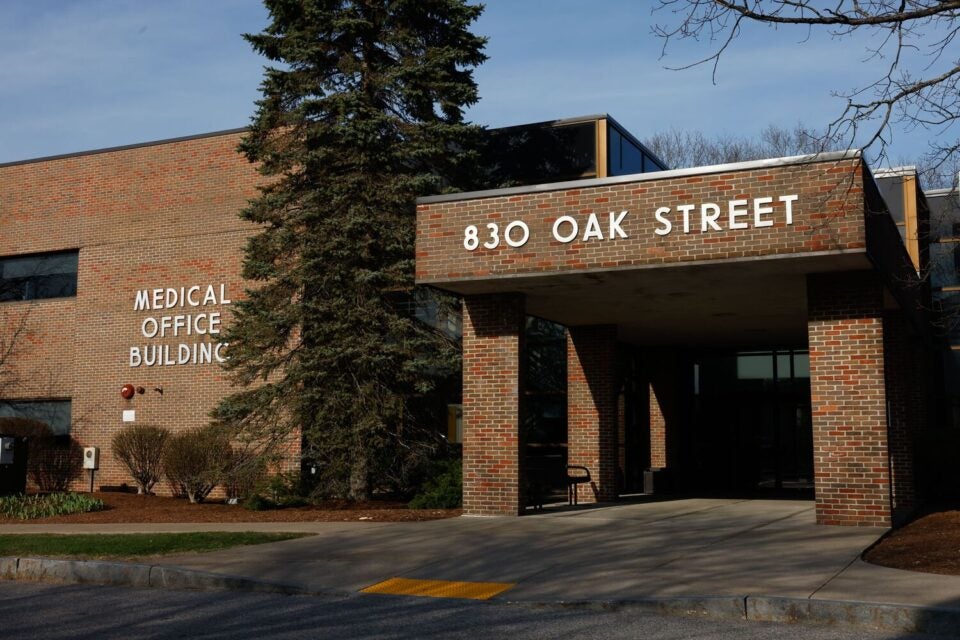
BMC South (Medical Office Building)
BMC Health Cardiovascular Medicine / BMC South Outpatient Care Cardiac Testing Center
Suite 205W
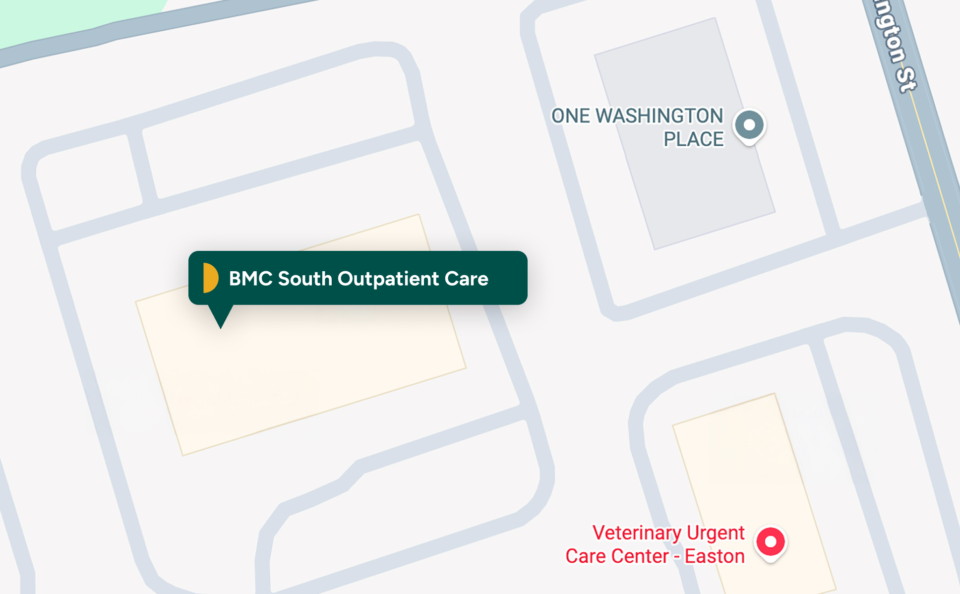
North Easton, 15 Roche Bros. Way
BMC South Outpatient Care Cardiovascular Medicine
Suite 110